
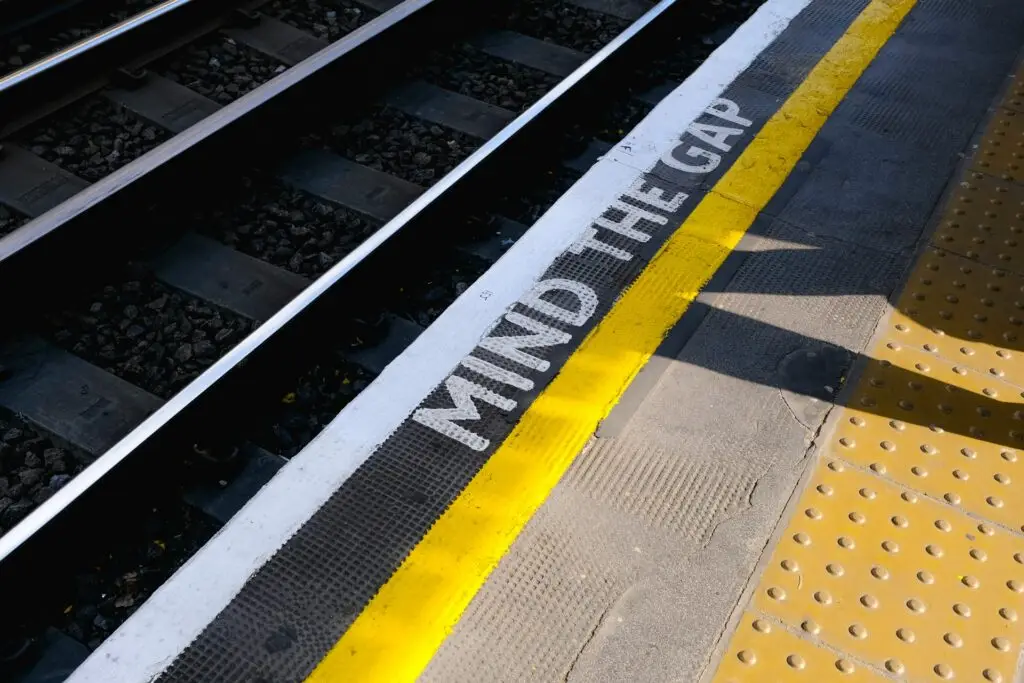
Four years of verifying carbon footprints for some of the world’s largest organisations has taught me one thing above all else. There is often a significant gap between what an organisation reports and how it actually operates.
This isn’t always deliberate. It’s usually the result of data systems that weren’t designed with carbon reporting in mind, Scope 3 categories that are estimated rather than measured, organisational boundaries that don’t reflect commercial reality, and sustainability teams that are stretched too thin to interrogate the numbers properly.
The problem is that the bar for scrutiny is rising fast. What passed muster with a verification auditor two years ago is now being examined by investors, legal teams and regulators with considerably more rigour. Greenwashing legislation is tightening across the UK and EU. The FCA is watching. So are the lawyers.
If your organisation’s carbon data hasn’t been stress-tested recently — not just checked, but genuinely interrogated — the question isn’t whether the gap exists. It’s how large it is.